
Online Therapy for Therapists
Virtual Therapy for Mental Health Providers
Why It Helps — Therapist-to-therapist work means:
No over-explaining
No hiding behind insight
No being “the strong one” all the damn time
This isn’t supervision. It’s not coaching.
This isn’t supervision. It’s not coaching. It’s real therapy—for your relationships, your stress, your life outside the therapy room.
Why it matters
3 reasons therapists need therapy:
-
#1 “Emotional Sponge Syndrome” (aka Compassion Fatigue)
Studies show that constant exposure to clients’ trauma and emotional pain can lead to secondary traumatic stress and burnout (Figley, 2002; Bride, 2007). We Therapists absorb so many emotions, they could wring themselves out like a soaked dish sponge by Friday afternoon. Therapy helps them squeeze out the week’s emotions before they grow mildew.
-
#2 “Professional Overthinker’s Paralysis”
Therapists are trained to analyze thoughts, feelings, and behaviors — including their own — which can lead to rumination and self-doubt (Barnett, 2007; O’Connor, 2001). Therapists can ruminate a parking ticket into an existential crisis. Therapy gives us a chance to stop diagnosing ourselves every time we feel slightly anxious ordering coffee.
-
#3 “The Myth of Being ‘All Figured Out’”
The imposter phenomenon is common among therapists (Simons & Chabris, 2010), where we feel we’re supposed to be perfectly wise, regulated, and emotionally balanced. Just because you can quote Aaron Beck, Dick Swartz, Marsha Linehan (or any other fan favorites) doesn’t mean you don’t ugly cry watching dog rescue videos. Therapists need therapy to remember they’re humans first, professionals second.
Contact Laurie at SC Counseling Online
Interested in support as a therapist or mental health worker? Laurie can help.
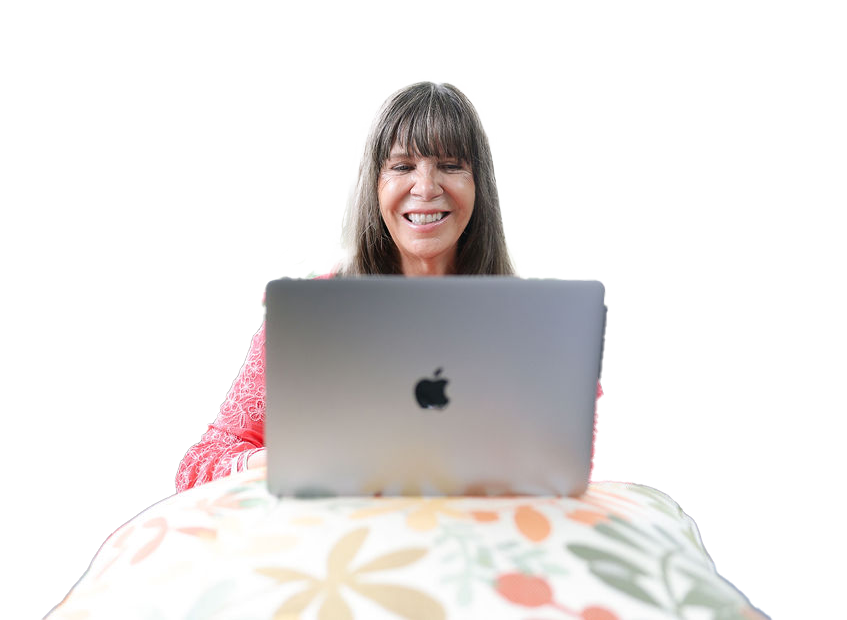
Laurie Boussom
Clinical Social Work/Therapist, LISW-CP, FVHB
Even therapists hit the wall. We cry in our cars, doubt our competence, and occasionally fantasize about bartending. Therapy helps us stay real, not robotic.
Therapists need therapy. Not supervision, not another CEU — real, messy, human therapy. The kind where you can drop the clipboard and just be a damn person again.